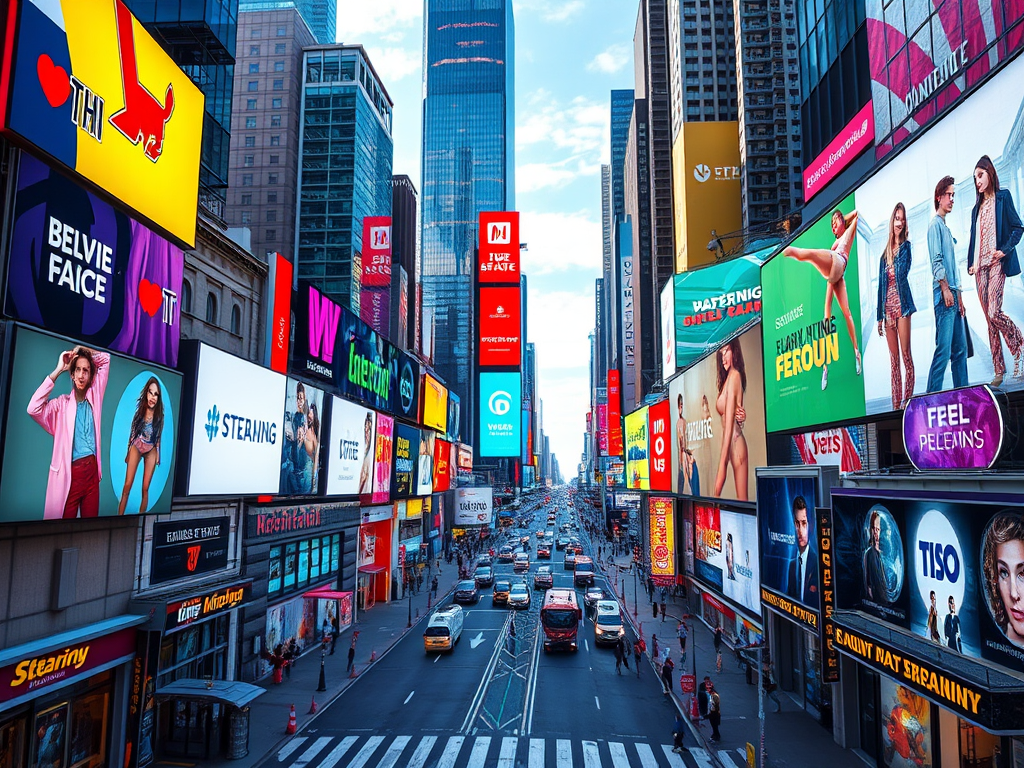
In 2025, the U.S. is on the brink of significant changes, with new trends reshaping how Americans live, work, and consume. From the rise of streaming services to changing real estate hotspots, these shifts depict a nation undergoing transformation.
The following key trends are influencing the American landscape:
Consumer Behavior Shifts: Americans find a balance between necessary spending and entertainment choices.
Digital Entertainment Revolution: The battle between streaming services intensifies as consumers navigate their subscription options.
Real Estate Market Dynamics: Dallas/Fort Worth takes the lead while Florida markets display impressive resilience.
Fashion Innovation: Bright colors and eco-friendly designs take center stage.
Understanding these trends is vital for businesses and consumers alike. Companies require this knowledge to adjust their strategies and remain relevant in the market. For consumers, staying informed enables smarter purchasing decisions and investment choices in a constantly evolving marketplace.
These patterns indicate deeper changes within American society, reflecting shifts in values, priorities, and lifestyle preferences that will shape the country’s path in 2025 and beyond.
Media and Entertainment Trends in 2025
The US media and entertainment landscape has undergone a dramatic transformation, marked by shifting consumer preferences and evolving consumption patterns. The traditional entertainment model has given way to a digital-first ecosystem, creating both opportunities and challenges for content providers and consumers alike.
Subscription Fatigue and Changing Consumer Preferences
American households manage an average of 4-6 streaming subscriptions in 2025, leading to widespread subscription fatigue. The combined cost of multiple services often exceeds $100 monthly, pushing consumers to make strategic choices about their entertainment spending.
Key factors driving subscription fatigue:
- Rising subscription costs across platforms
- Content fragmentation across multiple services
- Overwhelming choice of entertainment options
- Limited perceived value for money
The shift from traditional cable to digital streaming continues at an accelerated pace. Cable TV subscriptions have declined by 35% since 2020, with streaming platforms capturing the majority of this audience. This transformation reflects changing viewer habits:
- On-demand viewing preferred over scheduled programming
- Multi-device accessibility becoming a standard expectation
- Personalized content recommendations driving engagement
- Ad-free experiences valued higher than traditional commercial breaks
Gen Z and millennial viewers are reshaping entertainment consumption patterns through:
Short-form content preference
TikTok-style videos under 3 minutes
Bite-sized entertainment segments
Interactive content formats
Platform-agnostic behavior
Seamless switching between devices
Content discovery across multiple platforms
Social media integration with entertainment
Community-driven engagement
Live-streaming participation
Real-time social commentary
User-generated content consumption
This demographic’s influence has prompted traditional media companies to adapt their strategies, with many launching hybrid models combining scheduled programming with on-demand options. The entertainment industry continues to experiment with new formats and delivery methods to capture and retain younger audiences’ attention spans.
Evolution of Streaming Services
The streaming landscape in 2025 shows signs of market saturation. Major platforms like Netflix, Disney+, and Amazon Prime face declining subscriber growth rates – a stark contrast to the explosive growth during 2020-2023.
Key Market Challenges:
- Increased competition splitting viewership
- Content production costs rising 15-20% annually
- Average household maintaining 3-4 subscriptions
Streaming services adopt creative strategies to maintain market share:
Bundling services with mobile carriers
Offering ad-supported tiers at lower price points
Creating exclusive sports broadcasting rights deals
Developing interactive and gaming content
The battle for subscriber retention intensifies as platforms experiment with pricing models. Netflix’s password-sharing crackdown sets an industry precedent, while Disney+ explores annual subscription commitments at discounted rates.
Content quality emerges as the decisive factor – subscribers expect premium productions matching theatrical releases. Platforms investing in original content see 30% higher retention rates compared to those relying on licensed material.
The market shifts toward specialized content niches, with platforms like Crunchyroll (anime) and Criterion Channel (classic films) maintaining steady growth through dedicated audiences.
Real Estate Market Trends in 2025
The U.S. real estate landscape is undergoing significant changes as lower interest rates stimulate renewed transaction activity. Property sales have increased by 15% compared to previous years, especially in the residential sector where buyers are taking advantage of favorable lending conditions.
Key Market Indicators:
- Interest rates settling at 4.5% – driving increased mortgage applications
- Commercial property transactions up 12% year-over-year
- Investment volume reaching $625 billion across all property types
Concerns about economic growth are affecting projections for net operating income. Analysts expect a modest growth rate of 2.3%, leading investors to focus on properties with stable income streams and potential for value addition.
Office Space Evolution
In 2025, modern office buildings with wellness amenities command higher rental rates. These properties include features such as:
Dedicated meditation spaces
Air purification systems
Touchless technology
Green spaces and rooftop gardens
Fitness centers with virtual training options
Geographic Shifts in Real Estate Hotspots
Dallas/Fort Worth has emerged as the top real estate market in the country, driven by:
18% population growth since 2023
Major corporate relocations
$8.2 billion in commercial development
Affordable housing compared to coastal markets
Florida’s Remarkable Recovery is attracting significant interest from investors:
Miami sees a 25% increase in luxury property sales
Tampa Bay commercial occupancy rates reach 94%
Orlando’s residential market experiences a 15% increase in prices
The trend of working from anywhere is reshaping secondary markets. Cities like Austin, Nashville, and Raleigh-Durham are experiencing record-breaking increases in property values. These locations offer:
- Lower cost of living
- Strong job markets
- Improved quality of life
- Robust infrastructure development
Institutional investors are shifting their focus towards sunbelt markets, allocating 45% of their real estate portfolios to these areas. This strategic change reflects evolving demographic patterns and economic opportunities in these expanding metropolitan regions.
Fashion Trends Forecast for 2025
The fashion landscape in 2025 USA brings a mix of nostalgic elements and futuristic designs. Boho Chic takes center stage with suede materials, flowing silhouettes, and earth-toned patterns dominating casual wear collections.
Color Trends:
Vibrant yellow emerges as the standout shade
Deep ocean blues reflect sustainability themes
Metallic accents in rose gold and silver
Earth tones for sustainable fashion pieces
Street Style Evolution :
Hot pants replace traditional mini skirts, paired with oversized blazers and chunky boots. Digital prints featuring aquatic themes and abstract geometrical patterns reflect growing environmental consciousness.
Key Design Elements:
Sustainable materials in everyday wear
Smart fabrics with temperature-regulating properties
Gender-neutral silhouettes
Modular clothing pieces for versatile styling
The accessories market shifts toward multifunctional pieces:
Solar-powered smart jewelry
Convertible bags with tech integration
Biodegradable footwear
3D-printed customizable pieces
Luxury brands embrace tech-integrated clothing with built-in climate control and mood-responsive color changes. Fast fashion brands pivot toward sustainable practices, offering rental services and recycled material collections to meet conscious consumer demands. This shift also extends to the jewelry sector where ethical and sustainable rings are becoming increasingly popular among environmentally-conscious consumers.
Conclusion
The future trends USA 2025 landscape demands swift adaptation from businesses and consumers alike. Companies must embrace digital transformation, sustainable practices, and personalized experiences to stay competitive. Smart businesses recognize the need to:
Develop flexible subscription models
Invest in wellness-focused real estate developments
Create sustainable fashion lines
Build resilient supply chains
Consumer behavior continues to shape market dynamics, with evolving consumer preferences US driving innovation across sectors. The intersection of technology, sustainability, and economic factors creates opportunities for those ready to pivot. Businesses that understand and act on these latest trends 2025 USA position themselves for success in this dynamic environment.
The shifting market landscape rewards agility and innovation. Companies that fail to adapt risk losing market share to more responsive competitors. These changes affect every sector, from entertainment to real estate, requiring strategic planning and decisive action.
Leave a Reply